
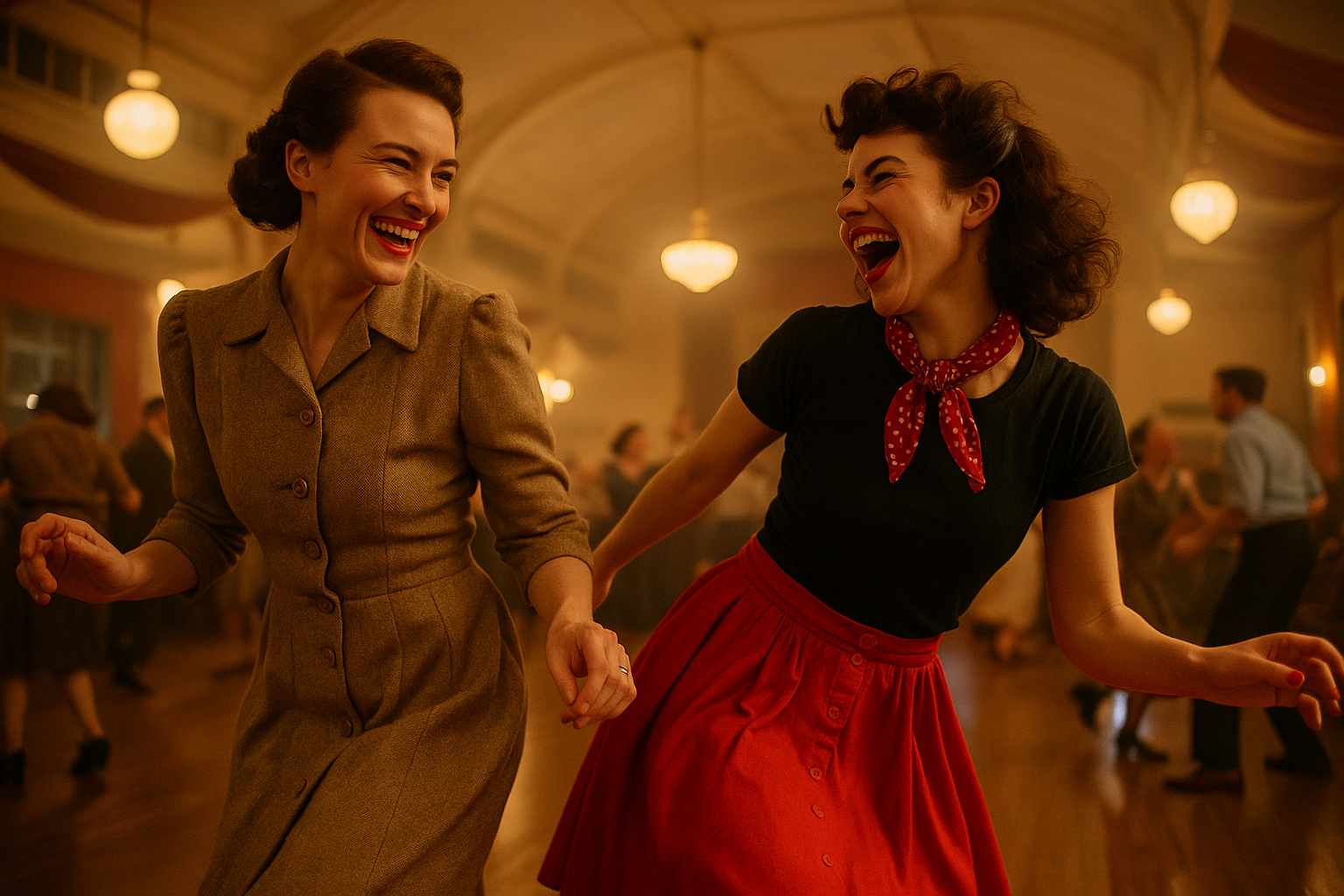
Some rivalries shape history—think Beatles vs. Elvis, Bond vs. Bogart, tea vs. coffee. But nothing captures transatlantic attitude quite like the vintage dress. Slip into a 1940s tea dress or 1950s swing skirt, and you’re draped in the social spirit of the nation: British reserve and practical polish on one hand; American optimism and camera-ready glamour on the other.
For dress devotees and daydreamers alike, the magic is in decoding how two cultures captured the postwar mood in frocks that were, in theory, cut from the same pattern. After all, “Britain, America and the Vintage Dress Mood: Same Era, Different Energy” isn’t just a mouthful—it’s a story written in seams and silhouettes.
Step a little closer and the differences come alive in the details. British styles leaned into clever tailoring and quiet charm—florals that whispered rather than shouted, shapes that worked as hard as the women wearing them. Across the Atlantic, silhouettes opened up into full skirts, nipped waists, and prints that danced with confidence, reflecting a culture ready to celebrate again. Today, these influences still echo on the rails: whether you’re drawn to understated elegance or bold, twirl-worthy flair, each piece carries a hint of its origin story—waiting for its next moment out in the world.
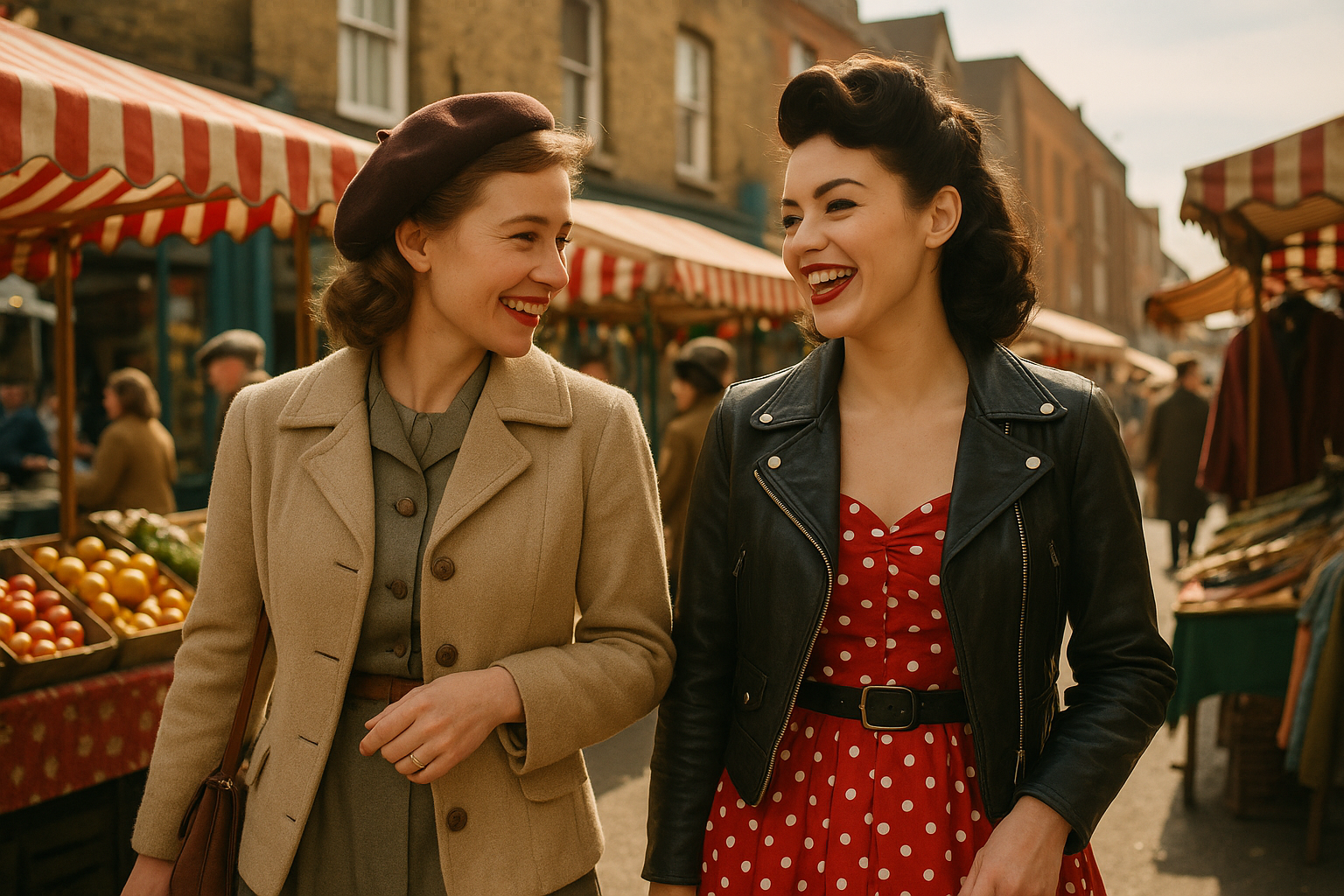
Pieces Inspired by the Era
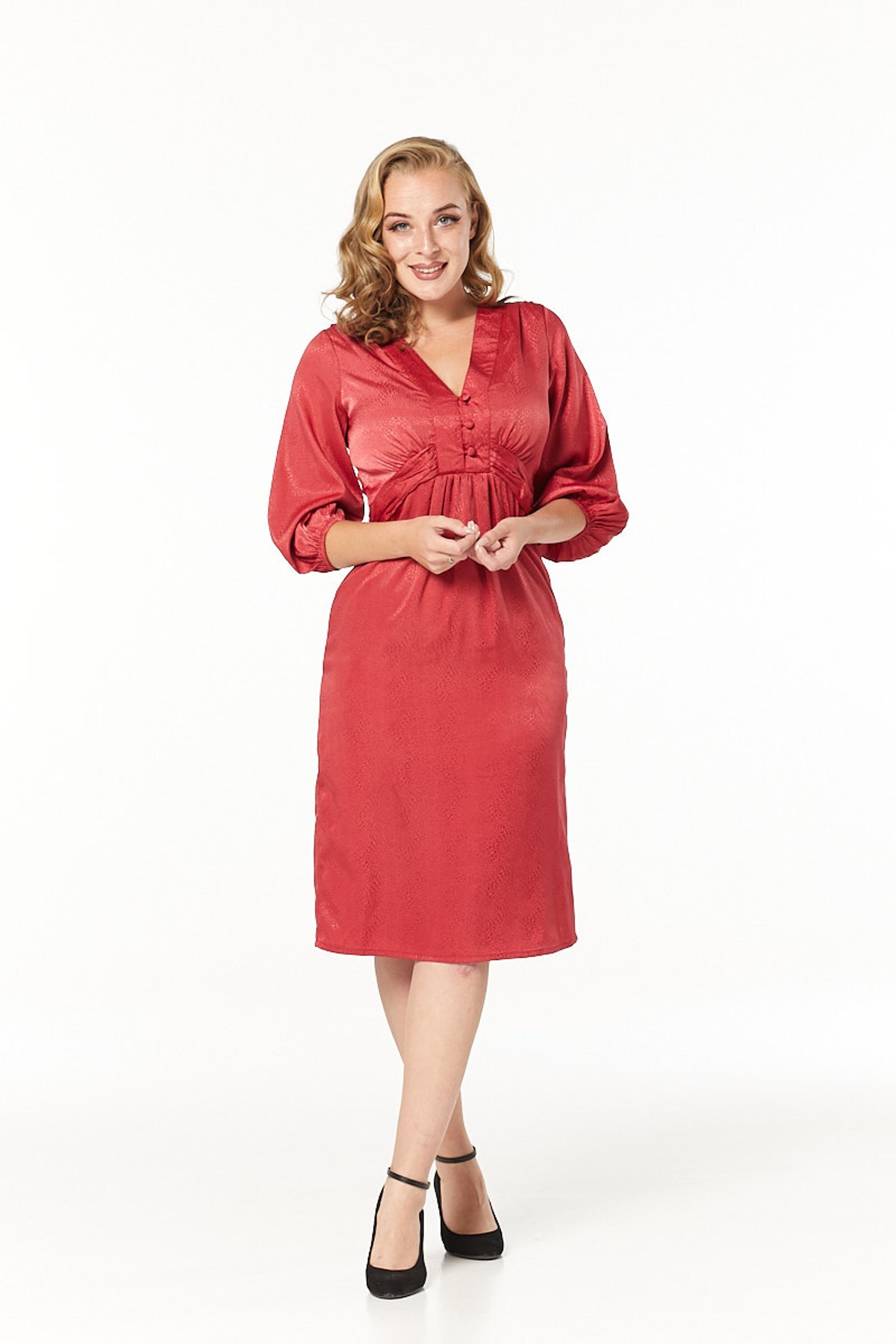
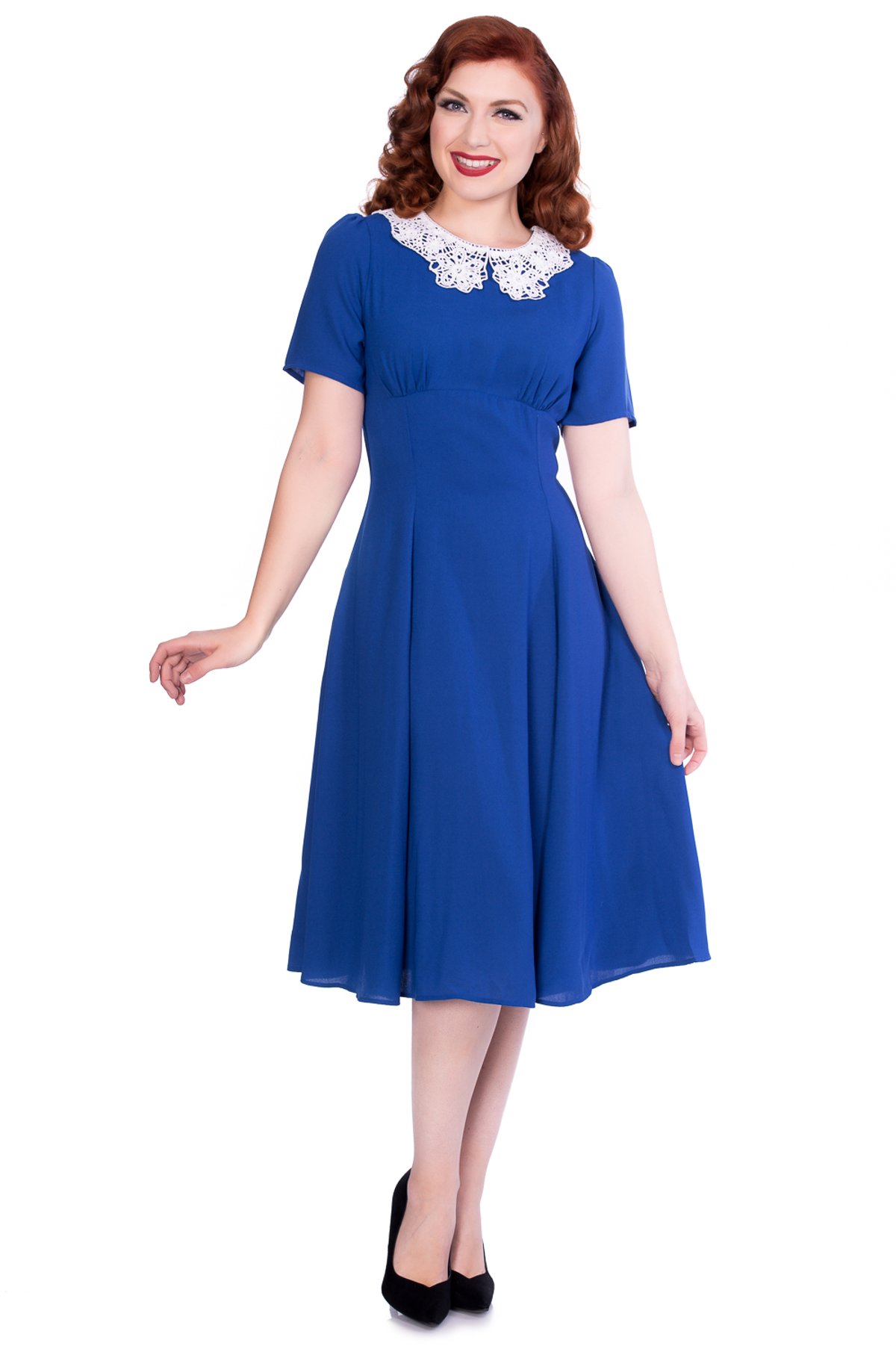
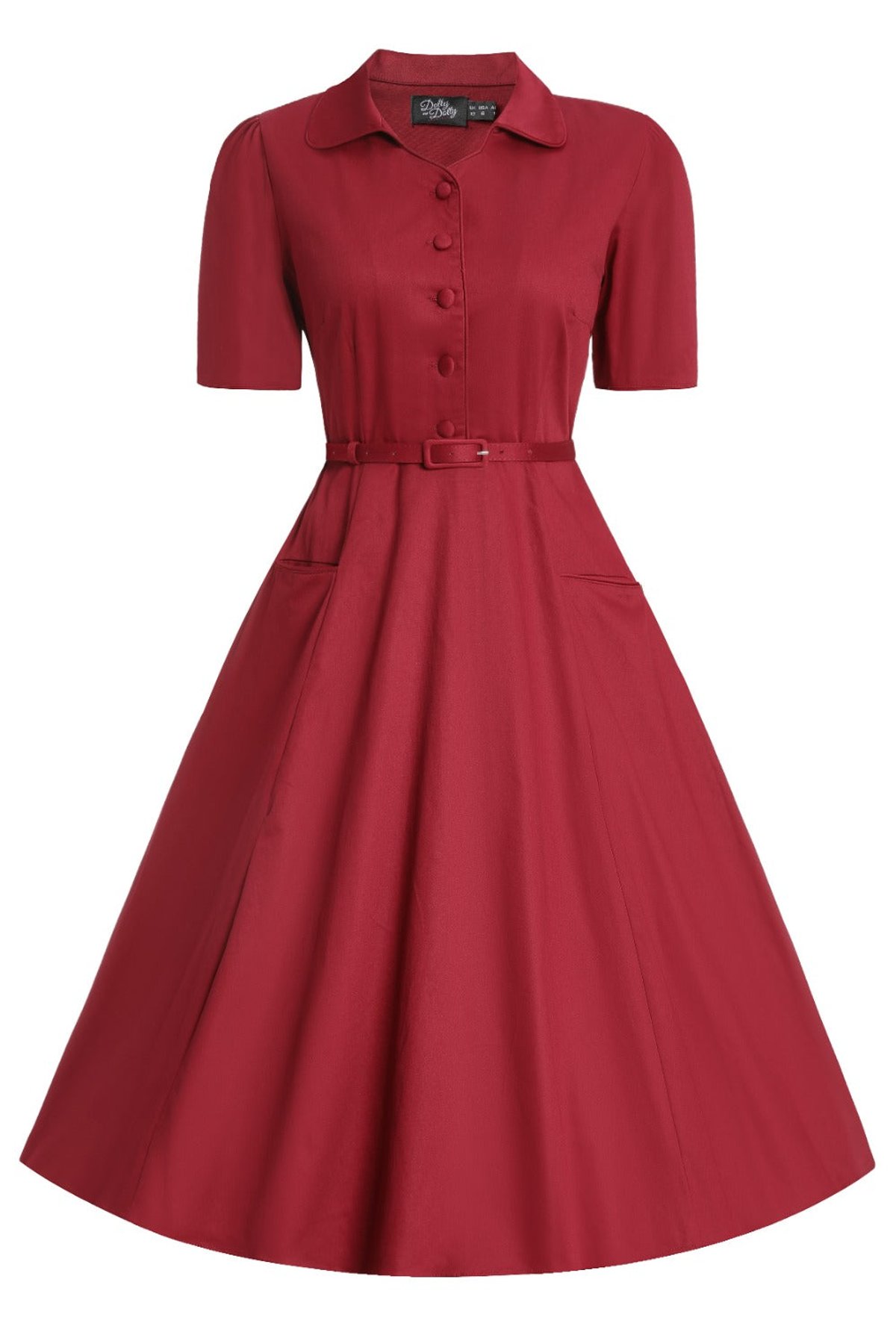
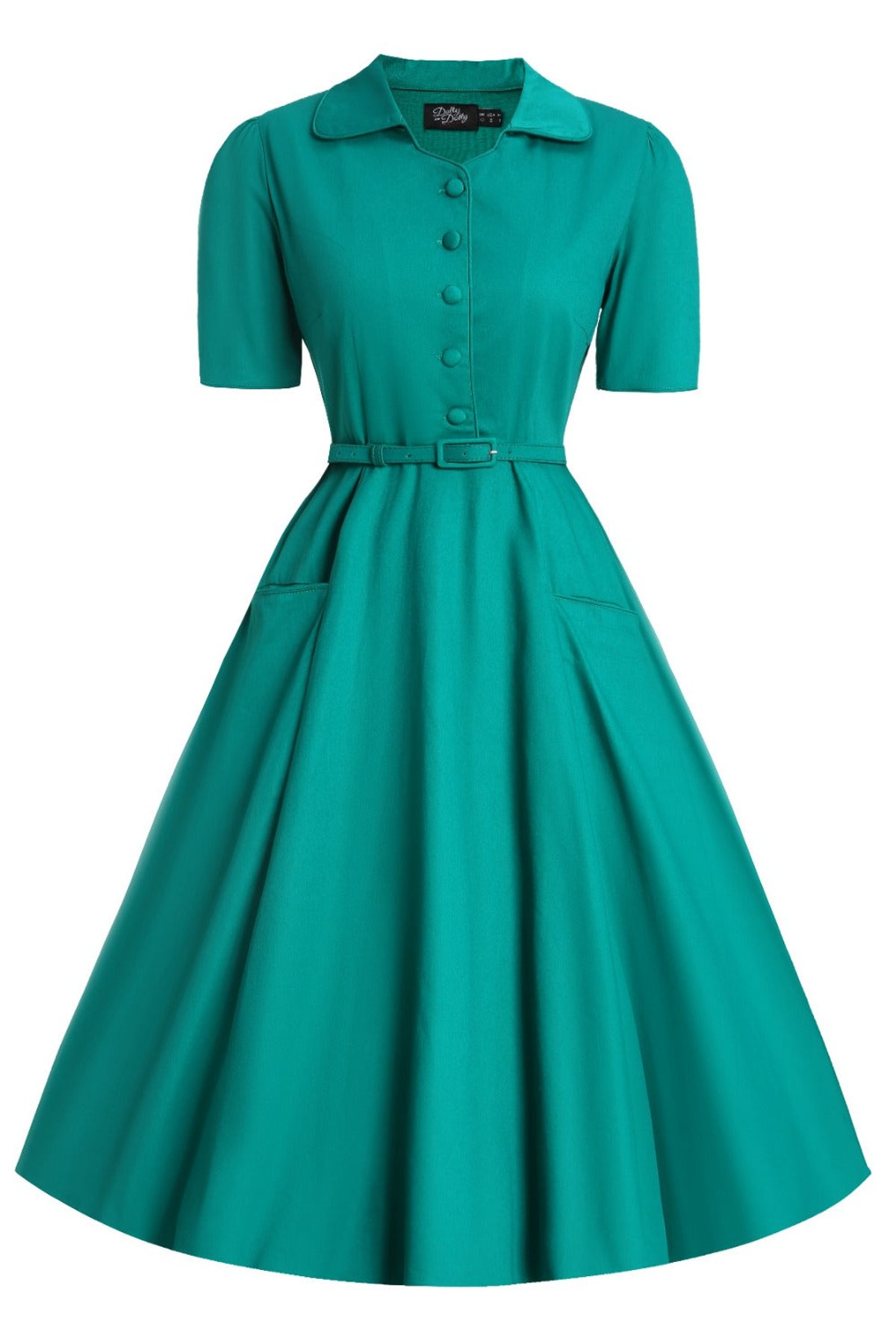
Popular Dresses Styles
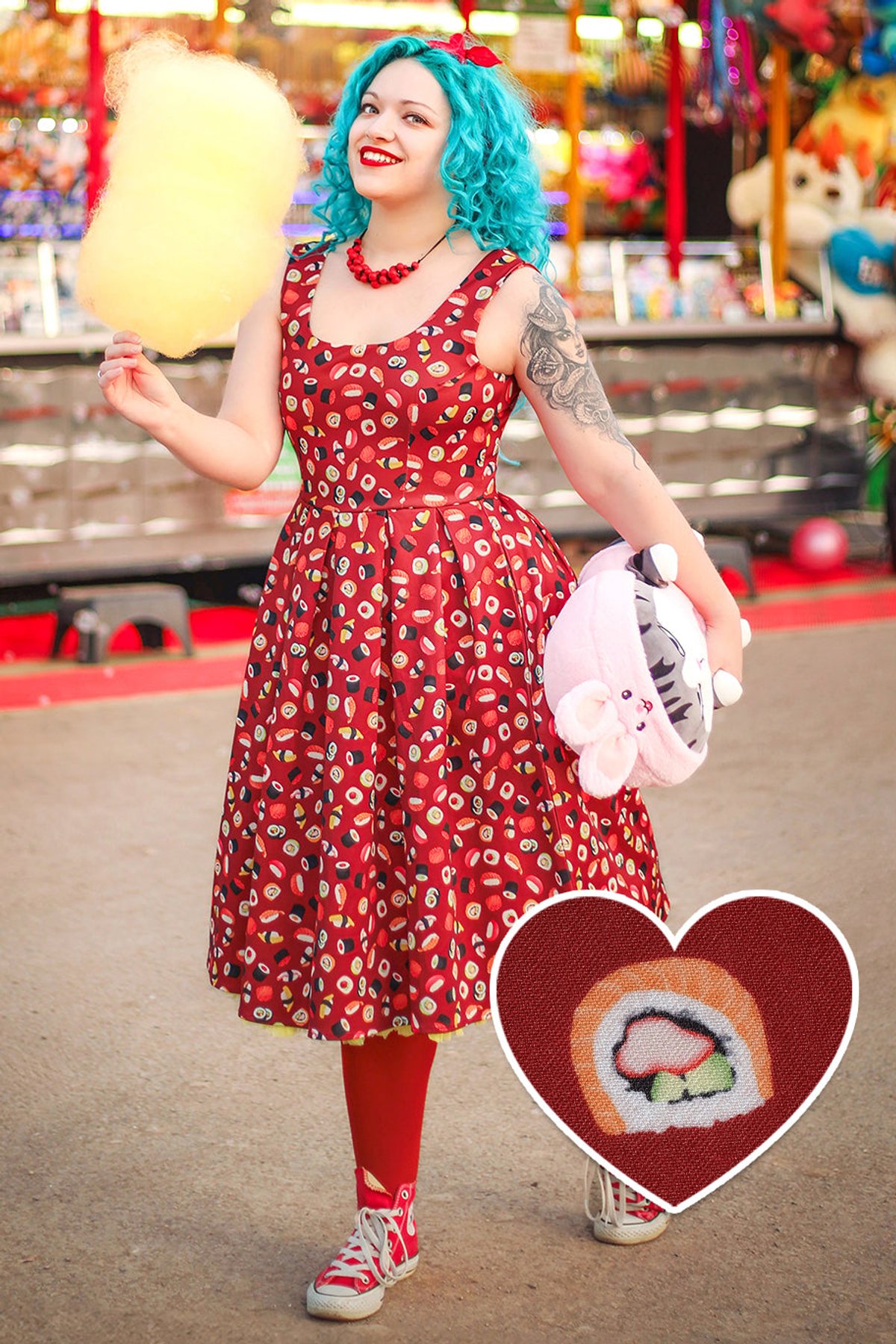
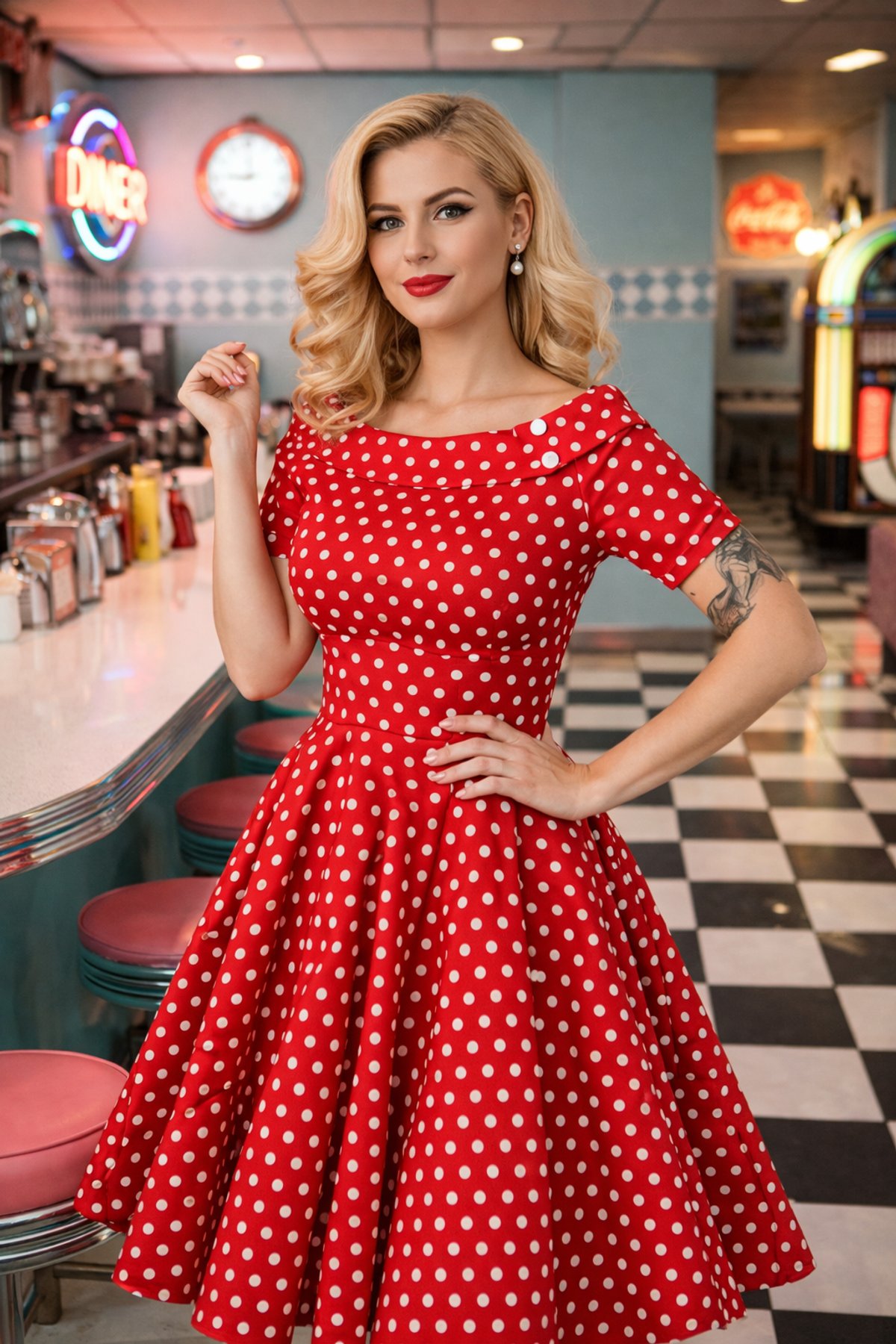
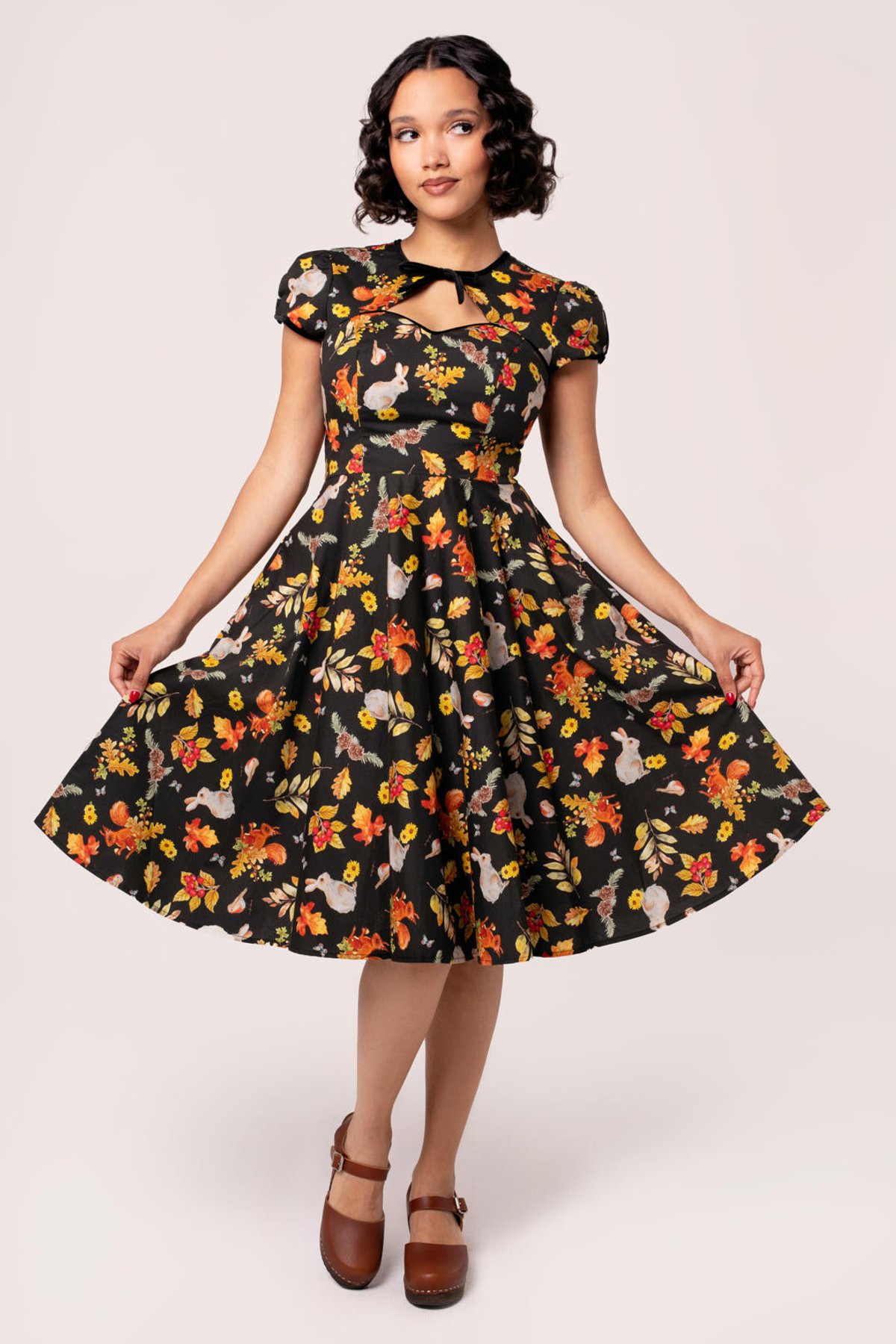
The Silhouette’s Secret: How History Shaped the Hemline
If you’ve ever twirled in a swing dress or envied the crisp shoulders of a wartime day dress, you’re already fluent in the language of the 1940s and 50s. Wartime Britain, stitched by ration books and ‘make do and mend,’ gave us utility: dresses with clever construction, demure necklines, and—modern swoon—pockets hidden like ace up a lady’s sleeve. Think Greer Garson en route to an air-raid shelter, or Princess Elizabeth at a tea dance, ration-card chic wrapped up with red lipstick and stoic poise.
Meanwhile, across the pond, American designers—Claire McCardell, Charles James, and the all-knowing Vogue patterns—had new-world freedom. Even as fabrics were rationed, ingenuity reigned: stripes and checks gave way to splashy florals; nipped waists winked at the hourglass silhouette just waiting to break out post-war. Then the 1950s dawned with its full skirts and cinched torso: Christian Dior’s New Look hit New York and Main Street at once. Suddenly, the bombshell was born, and so too the eternal battle between British measure and American flair. If British dresses whispered subtlety, American frocks sang from the rooftops—‘Why not another crinoline?’
Hollywood, of course, did nothing to cool things off. While British screen heroines like Deborah Kerr and Vivien Leigh elegant-ed their way through dramas in tweed and quietly patterned rayon, the Americans—Rita Hayworth, Marilyn Monroe, and Lana Turner—stepped out in Technicolor taffeta, wide-brimmed hats, and come-hither gloves. It’s no surprise both moods still shape our rails—whether you prefer your nostalgia stoic or starlet-bright, a genuine vintage dress radiates all the context you care to conjure.
Why the Transatlantic Dress Mood Still Works Today
Fast forward seventy years, and the 1940s and 50s aesthetic hasn’t just survived—it’s thrived, precisely because British and American style moods feel like opposites that attract within your own wardrobe. The modern Brit channels wartime chic for work meetings and weekend strolls: sturdy shoes, soft wool, a coffee in hand, and, if you visit us at the Kitty Darling Bilston store, a little wistful knowledge of everyone who wore it before. Across the Atlantic, the American approach—think cinch belts, patent pumps, and bright patterned cotton—gives every day a touch of silver screen glamour. For the woman who wants her morning espresso with a side of Monroe, there’s nothing quite like an unapologetically swishy skirt.
Accessories are the real finishing touch: a British look begs for vintage brogues, a neat updo, and that impossibly practical handbag; lipstick stays robust but never garish. For the American dream, pair a swingy dress with waves or pin curls, strawberry-red lips, giant sunglasses, and a smile that says, ‘I might just be discovered on my lunch break.’
The result? A timeless dress code where you pick your mood—and your muse—with every outfit. Maybe today you’re all business in a Gracie Dress, channeling Audrey Hepburn auditioning for MI6. Tomorrow it’s the Sienna Dress, nipped in and ready for a rockabilly ballad. Either way, the best vintage dresses still tell the world exactly where you’re heading (and how much fun you’ll have getting there).
Vintage Dress Mood: Transatlantic FAQs
What’s the main difference between British and American vintage dress styles?
British vintage dresses tend to value practicality, understated prints, and structure (think pockets, muted florals, tailored shoulders), reflecting wartime origins and conservative post-war glamour. American vintage dresses, especially postwar, lean flamboyant: bolder patterns, fuller skirts, and a Hollywood-ready silhouette. Both are endlessly wearable; it’s all about the mood you want to evoke.
How did wartime rationing influence British dress shapes?
Rationing meant fabric-saving silhouettes: slimmer skirts, functional details, and more modest fits. British designers and home dressmakers were masters of creativity—working within strict guidelines but still crafting pieces with personality, often sneaking in clever details like patch pockets and smart pleats.
Which icons embodied the 1940s and 50s dress mood in Britain and America?
In Britain, women like Vivien Leigh and Deborah Kerr personified sophisticated restraint, their on- and off-screen wardrobes equal parts polished and practical. In America, stars like Marilyn Monroe and Lucille Ball took big-skirted femininity mainstream—if you ever doubted the power of a cinched waist, just watch ‘Gentlemen Prefer Blondes’.
What accessories and hairstyles evoke the mid-century vibe?
For British chic: soft victory rolls or a tidy scarf, a swipe of muted coral or rose lipstick, brogues or kitten heels, and a small frame bag. For the American bombshell: pin curls, glossy red lips, peep-toes, and a statement clutch. Don’t forget cat-eye sunglasses if you’re feeling dramatic!
Are modern vintage-inspired dresses available in plus sizes?
Absolutely! We’re delighted to offer classic and contemporary takes—including those with pockets, fuller skirts, and signature prints—in a range of sizes, including plus size. Vintage glamour is for every body.